Importing Nutraceuticals into the US: The 2026 Landscape
The US dietary supplement market continues to expand, projected to reach $70+ billion by 2028. For B2B importers sourcing from China, understanding the regulatory framework is critical to avoiding costly delays and FDA holds.
FDA Regulatory Requirements
Under the Dietary Supplement Health and Education Act (DSHEA), importers must ensure:
- Facility Registration — Both the manufacturing facility and the US importer must register with FDA
- New Dietary Ingredient (NDI) Notification — Required for any ingredient not marketed before October 15, 1994
- Good Manufacturing Practices (cGMP) — 21 CFR Part 111 compliance for manufacturing, packaging, and storage
- Labeling Compliance — Supplement Facts panel, ingredient list, allergen declaration, and qualified health claims
Key Compliance Checkpoints for Importers
- Ingredient Screening — Verify all ingredients are lawful for use in dietary supplements (not drug ingredients)
- Certificate of Analysis (COA) — Require third-party lab testing for heavy metals, microbials, and potency
- Country of Origin Labeling — Tariff Act compliance for imported finished goods
- Prior Notice — Submit FDA Prior Notice before arrival; failure means automatic refusal
Logistics Considerations
Nutraceuticals often require specialized handling:
- Temperature Control — Probiotics, liquid supplements, and certain botanical extracts need 2–8°C cold chain
- Humidity Protection — Desiccant packaging and moisture-barrier wrapping for powders and capsules
- Hazmat Classification — Alcohol-based liquid extracts may be classified as dangerous goods (Class 3)
- Customs Bonds — Continuous bond recommended for frequent importers (saves 20-30% on brokerage fees)
“The most common reason supplement shipments get flagged is incomplete documentation. A logistics partner that pre-reviews your FDA paperwork can save you thousands in demurrage.”
— COHO Regulatory Compliance Team
Popular Import Ports and Transit Times
COHO operates across all major US ports with estimated door-to-door transit:
- Los Angeles / Long Beach — 18-22 days (sea) | 5-7 days (air)
- New York / New Jersey — 28-32 days (sea) | 5-7 days (air)
- Seattle / Tacoma — 20-24 days (sea) | 5-7 days (air)
- Houston — 25-30 days (sea) | 6-8 days (air)
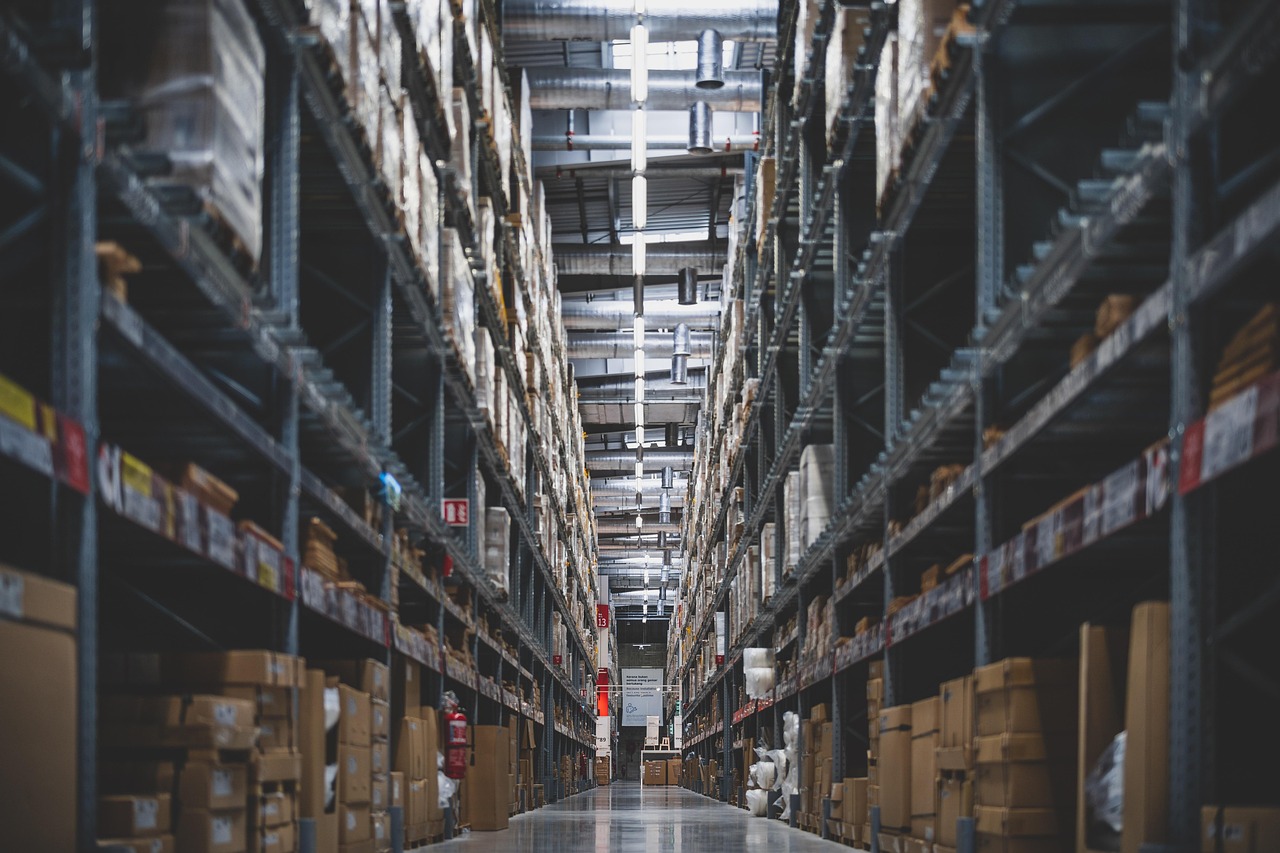
COHO offers warehousing at all four locations with temperature-controlled storage options for sensitive nutraceutical products.
Importing supplements from China? Let us handle the compliance.
Follow COHO for weekly import guides and regulatory updates.